.jpg)
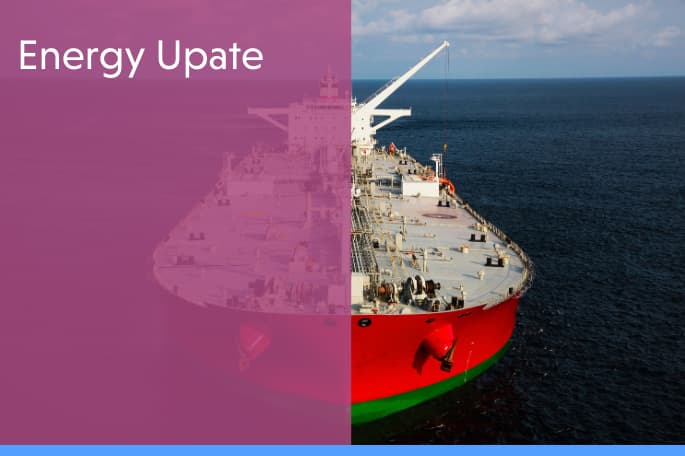
Energy markets have shown signs of easing today, with gas prices falling slightly following several days of heightened volatility driven by developments in the Middle East.
The initial reaction earlier this week saw wholesale markets rise sharply as traders priced in the risk of a wider regional conflict and potential disruption to global fossil fuel supply routes. However, today’s trading has seen some of that pressure ease, suggesting markets may be reassessing the likelihood of immediate supply disruption.
The US has confirmed that the United States Development Finance Corporation will provide political risk insurance and financial guarantees for maritime trade, particularly energy shipments travelling through the region. The statement also indicated that the United States Navy could begin escorting tankers through the Strait of Hormuz if required, reinforcing the intention to ensure the continued flow of global energy supplies.
The Strait of Hormuz remains a critical focus for global energy markets. Approximately a quarter of the world’s oil and LNG exports pass through this route, meaning any sustained disruption would have significant implications for energy pricing and supply chains.
At present, the US announcement appears to have reassured markets that major international actors are prepared to act quickly to keep the shipping corridor operational. As a result, some of the geopolitical risk premium that emerged earlier in the week has begun to soften.
One of the key areas analysts are now watching closely is China’s diplomatic position. China is heavily reliant on imported energy and has significant economic interest in maintaining stable global supply routes. Any diplomatic engagement or public statement from Beijing could influence how markets assess the likelihood of escalation or de-escalation in the region.
For UK energy users, the situation remains fluid. While short term price movements can be driven by geopolitical headlines, longer term market direction will continue to depend on supply fundamentals, storage levels and global demand patterns.
At Quality Care Group, we continue to monitor market developments closely and assess how geopolitical events may affect pricing opportunities for clients. Further updates will be shared as the situation evolves and additional clarity emerges