.jpg)

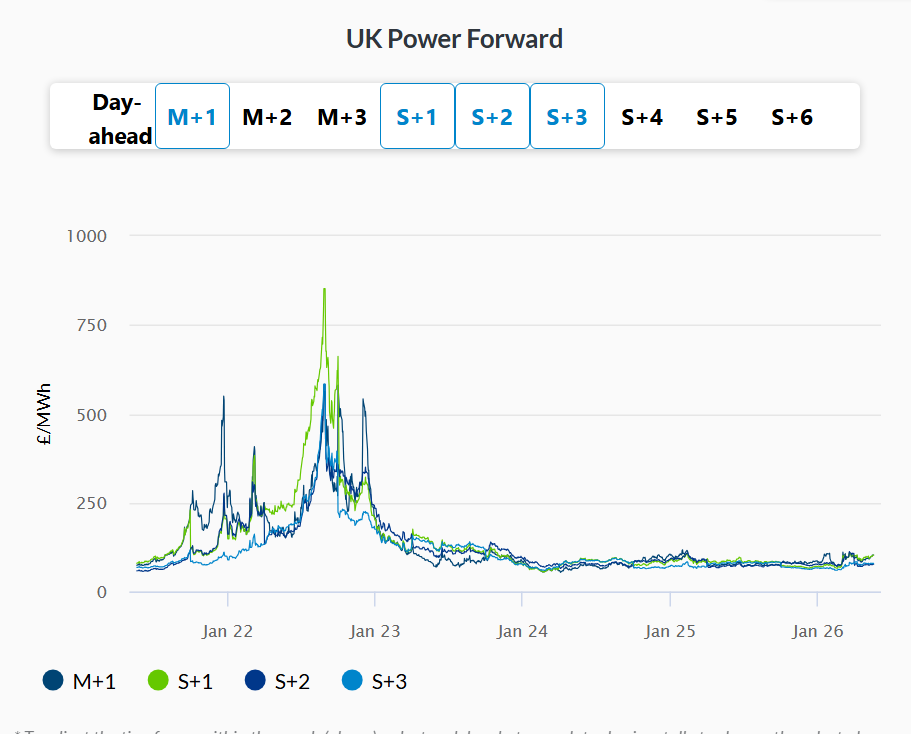
The UK wholesale energy market has edged higher since our last update, with both gas and electricity prices continuing to mirror each other closely.
Current market movement is being driven by a combination of low European gas storage levels, ongoing geopolitical tensions in the Middle East and concerns around future LNG supply.
While prices have eased slightly following initial spikes earlier in the week, the wider market remains cautious.
Several factors are continuing to place upward pressure on wholesale pricing.
These include:
Together, these issues are maintaining a level of nervousness across commodity and energy markets.
Over the weekend, speculation that US President Donald Trump was considering renewed military action against Iran increased market concern heading into Monday morning trading.
This initially pushed prices higher as traders reacted to the possibility of further escalation in the region.
However, bullish sentiment weakened as the day progressed, with markets gradually easing back.
Further decreases today have partially offset those earlier gains, though the underlying geopolitical risk remains.
Alongside geopolitical developments, European gas storage continues to be a key market driver.
Storage levels remain below where many analysts would ideally like them to be at this stage of the year, increasing pressure ahead of the winter injection period.
At the same time, global competition for LNG cargoes remains elevated, particularly as supply uncertainty continues across parts of the Middle East.
Because UK and European markets are closely interconnected, these pressures directly influence wholesale pricing in the UK.

Electricity and gas markets are currently mirroring each other closely due to the continued role of gas-fired generation within the UK energy mix.
When gas prices move higher, electricity prices often follow.
Although renewable generation continues to help stabilise parts of the market, wider supply concerns are still having a strong influence across the entire energy complex.
For care providers and other businesses approaching renewal, the market remains finely balanced.
While prices are not currently showing the extreme volatility seen during the 2022 energy crisis, underlying risks continue to build.
This means organisations should continue to monitor:
With winter hedging activity expected to increase over the coming months, timing remains an important consideration.
At Quality Care Group, we support care providers with wholesale market tracking, procurement support and energy cost optimisation.
Our focus is on helping organisations make informed decisions in an increasingly unpredictable market.

If your energy contract is due within the next 12 months, or you would like to better understand the current market and your renewal options, start the conversation with our team today.