.jpg)
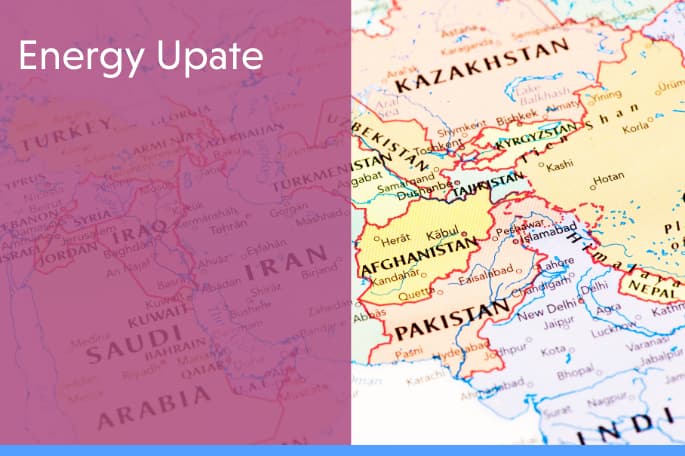
Over recent weeks, global energy markets had been closely tracking negotiations involving Iran, with a diplomatic resolution widely expected across most analyst forecasts. That expectation has now shifted following strikes across the Middle East, which have increased fears of a wider conflict and the potential for disruption to global fossil fuel flows.
British power prices have seen sharp gains this morning as markets reacted to the escalation. Concerns around possible supply disruption have added support to baseload power prices. Continued monitoring of supply fundamentals and regional tensions will remain the key drivers this week, with market participants cautious that any further escalation could trigger additional risk premiums across the curve.
With the third scenario now unfolding, preparations and pricing assumptions aligned to the second outcome are no longer valid. This has resulted in increased volatility and a repricing of risk across wholesale markets.
The key concern for global energy markets remains the Strait of Hormuz, a strategically critical shipping route through which approximately 25 percent of the world’s oil and LNG exports pass. Even short term disruption has the potential to create sharp price movements and wider instability.
That said, there are factors which may limit the severity or duration of disruption.
Any immediate market increases may be partially moderated by the UK’s evolving supply mix. The majority of UK LNG imports now come from the United States. Electricity generation also continues to decouple from gas as renewable capacity expands.
The UK’s principal LNG supplier countries currently include:
Additional volumes are sourced from Angola, Peru, Nigeria and Norway, with Norwegian pipeline gas continuing to play a stabilising role.
OPEC+ have also concluded their meeting and agreed a modest increase in output. While this is not a significant shift in supply, it may help to partially counter upward price pressure in the near term.
For organisations with contracts due to expire within the next 12 months, three broad approaches are being reviewed.
At Quality Care Group, we are actively monitoring market movements, supplier positions and trading conditions in what is currently a highly volatile environment. We will continue to assess developments over the coming days and provide clear, practical guidance as further clarity emerges.
Clients with upcoming renewals should take reassurance that this situation is being closely tracked and that advice will always be aligned to individual contract positions and risk appetite.
Further updates will be shared as markets respond.
If you need any advice around your energy costs and how I can help, please contact me here via this form.