
24/6/2026
Energy
.jpg)
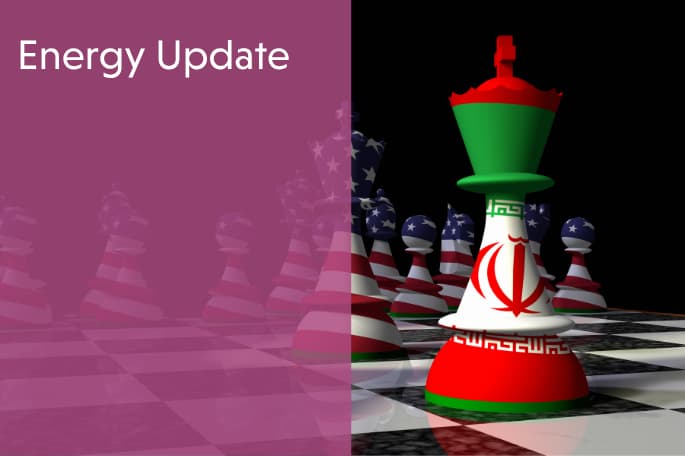
Despite recent signs of progress between the United States and Iran, wholesale energy markets remain cautious.
An initial diplomatic breakthrough triggered a short-term sell-off in energy prices, but concerns quickly resurfaced following increasingly tense rhetoric over the weekend.
As a result, a significant geopolitical risk premium remains built into wholesale gas and electricity prices.
While markets have softened slightly following more positive developments this week, traders continue to monitor the situation closely.
The Middle East remains one of the most important regions for global energy supplies.
One of the key concerns for energy markets is the Strait of Hormuz, a strategically important shipping route through which a significant proportion of the world's oil and liquefied natural gas (LNG) passes.
Any threat to the security of this route can have a direct impact on global energy prices.
This is why even diplomatic statements and political developments can cause significant market movements.
A risk premium is an additional cost built into energy prices when markets perceive an increased likelihood of future supply disruption.
In the current market, traders remain concerned that a breakdown in negotiations between the US and Iran could affect the security of energy supplies moving through the Strait of Hormuz.
Until greater certainty emerges, much of this premium is likely to remain in place.
Although concerns remain, developments earlier this week were viewed positively by the market.
Signs that diplomatic discussions may continue have helped improve sentiment, contributing to softer wholesale prices.
However, the market remains highly sensitive and any change in the tone of negotiations could quickly reverse this trend.
Alongside geopolitical developments, weather conditions are also influencing energy markets.
Across both the UK and Europe, higher temperatures have led to increased use of air conditioning systems.
This has created stronger than normal cooling demand, increasing consumption of both electricity and imported gas.
As demand rises, pressure can be placed on both energy availability and wholesale pricing.
The good news is that this is expected to be temporary, with demand likely to ease as temperatures moderate over the coming weeks.
Several factors are likely to influence market direction over the coming weeks:
Together, these factors will play an important role in determining whether prices continue to soften or return to an upward trend.
As summer progresses, energy markets begin looking ahead to winter demand.
This period, often referred to as winter hedging season, typically sees suppliers and traders securing future energy supplies.
As this activity increases, market conditions can become more sensitive to concerns around storage levels, supply security and geopolitical developments.
With the window before winter hedging narrows, organisations approaching renewal should continue to monitor conditions carefully.
Current market conditions present both opportunity and risk.
If diplomatic progress continues and tensions ease further, there may be scope for additional reductions in wholesale pricing.
However, should negotiations deteriorate or supply concerns increase, prices could move higher again.
This makes regular market monitoring particularly important for businesses considering renewal decisions over the coming months.
At Quality Care Group, we help care providers understand market movements through wholesale energy monitoring, procurement support and strategic renewal planning.
Our aim is to help organisations make informed decisions while managing both risk and energy costs.
If your energy contract is due within the next 12 months and you would like to discuss current market conditions, start the conversation with our team today.
.jpg)
