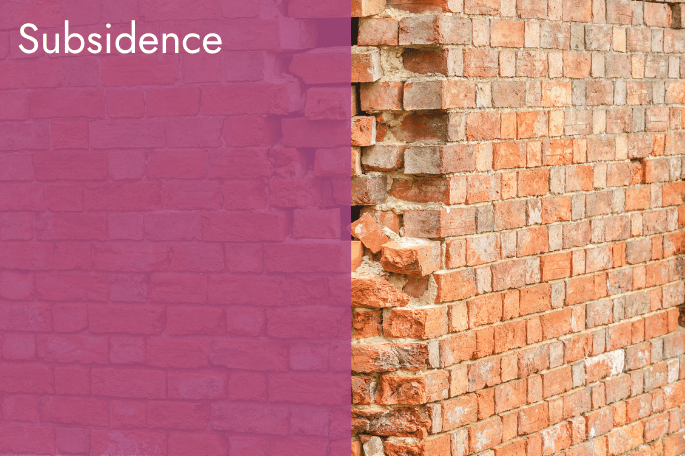
Subsidence claims are increasing across the UK following prolonged periods of hot, dry weather. For care home owners, the risks include structural damage, potentially lengthy insurance claims, disruption to residents and significant repair costs. Recognising the warning signs early and understanding your insurance protection can help reduce the impact on your business.
New figures from the Association of British Insurers (ABI) highlight the growing financial impact of subsidence.
Between July and September 2026, insurers received 13,000 new domestic subsidence claims, compared with 8,000 during the same period in 2025. The average domestic subsidence insurance payout remained at a record £20,000.
Although these figures relate to household insurance rather than commercial care properties, they illustrate the increasing pressure that ground movement is placing on buildings and insurers.
For care providers, particularly those operating older properties or buildings in areas with clay rich soil, subsidence is a risk worth taking seriously.
Subsidence occurs when the ground beneath a building sinks or shifts, causing its foundations to move.
This movement can result in structural damage, including cracks in walls, distortion around doors and windows and uneven floors.
One of the most common causes is the shrinkage of clay soil during prolonged dry weather.
Clay contains moisture that helps maintain its volume. When the soil dries out, it can shrink, potentially reducing the support beneath a building's foundations.
Trees and large shrubs can contribute to the problem by drawing moisture from the surrounding ground.
Other causes include leaking drains, damaged underground pipes and changes in ground conditions.
Recent periods of hot, dry weather have contributed to greater concern about subsidence across the UK.
When clay rich soil loses moisture over an extended period, it can shrink and cause ground movement.
Changes in rainfall can then cause the soil to expand again, potentially creating further movement around foundations.
The British Geological Survey identifies this process as shrink and swell behaviour, with certain clay soils particularly vulnerable to seasonal changes in moisture.
Properties with shallow foundations may be more exposed to these movements.
For care home owners, this means that the age, construction and location of a building can influence its exposure to subsidence.
Not every crack indicates subsidence. Buildings naturally experience some movement as temperatures and moisture levels change.
However, certain signs may require professional investigation.
1. New or widening cracks
Cracks associated with subsidence may appear suddenly or become progressively wider.
Particular warning signs include diagonal cracks, cracks wider than approximately 3mm and cracks appearing around doors or windows.
Cracks visible both inside and outside the building may also warrant further attention.
2. Doors and windows becoming difficult to open
Structural movement can distort door and window frames.
If doors begin sticking or windows become difficult to close without an obvious explanation, this may indicate movement within the building.
3. Uneven or sloping floors
Changes in floor levels, particularly where they develop over time, can sometimes indicate movement beneath the property.
4. Cracks around extensions
Where an extension joins an older building, differences in foundations or ground movement can create visible cracking.
5. Changes to internal finishes
Wallpaper that wrinkles or tears unexpectedly, particularly around wall and ceiling junctions, may indicate movement.
These symptoms do not necessarily confirm subsidence, but they should not be ignored.
Structural damage can create challenges for any property owner, but care homes have additional responsibilities because they provide accommodation and essential care services.
A serious subsidence problem could affect:
Structural movement may create hazards or require parts of a building to be taken out of use.
Investigations or repair work may disrupt normal operations, particularly where access to bedrooms, communal areas or essential facilities is affected.
Repair costs, professional fees and potential disruption to income can place pressure on financial resources.
Care providers must maintain premises that are safe and suitable for the services delivered.
A history of subsidence may influence property valuations, financing arrangements and future insurance terms.
For these reasons, subsidence should be considered as part of a care organisation's wider property risk management strategy.
Unlike some property insurance claims, subsidence cases often require extensive investigation before permanent repairs can begin.
Insurers may need to establish the underlying cause of the movement and determine whether the building is continuing to move.
This can involve:
Monitoring may continue over an extended period, particularly where seasonal ground movement is suspected.
According to Quality Care Group's Claims & Risk team, the complex nature of these investigations can mean subsidence claims remain open for considerably longer than many other property claims.
The wider increase in claims volumes may also place additional pressure on insurers, loss adjusters and specialist professionals.
For care home owners, understanding the process and maintaining clear communication throughout a claim is important.
Subsidence is commonly included within commercial buildings insurance, but the extent of protection depends on the individual policy.
Cover may be subject to specific conditions, exclusions or excesses.
Care home owners should check whether their policy includes protection for subsidence, heave and landslip, together with any relevant restrictions.
Subsidence claims can be expensive and complex to manage.
As claims costs rise, insurers may review their approach to underwriting, including excess levels and the information required when assessing property risks.
Quality Care Group's Claims & Risk team has identified the possibility of higher subsidence excesses as an issue worth monitoring.
However, any changes will depend on the insurer, property circumstances and individual policy.
Care providers should not assume that existing excesses or cover arrangements will remain unchanged at renewal.
Where subsidence results in an insured event that disrupts operations, business interruption cover may provide financial protection, depending on the policy terms and circumstances.
Care home owners should understand how their cover responds, particularly where repairs could take an extended period or require areas of the property to be temporarily closed.
It is also important to consider whether the indemnity period is sufficient for a potentially lengthy recovery.
Although subsidence cannot always be prevented, proactive property maintenance and monitoring can help identify potential problems early.
Include external walls, internal finishes, floors, doors and windows in routine property inspections.
Look for new cracks or changes to existing ones.
Blocked or leaking drains can contribute to ground instability.
Regular inspection and prompt repairs can help reduce the risk of water affecting the soil beneath foundations.
Trees and large shrubs can draw moisture from clay soils, potentially increasing the risk of ground movement.
However, removing mature trees without professional advice can sometimes create further problems, including ground heave.
Seek specialist guidance before undertaking significant tree work.
Photograph any concerning cracks and record when they were first noticed.
If cracks change in size or appearance, seek professional advice.
Older buildings and properties with shallow foundations may require particular attention.
Where available, retain structural surveys, drainage records and previous investigation reports.
Check that your buildings insurance includes appropriate protection and understand any subsidence excesses, exclusions or conditions.
If you suspect subsidence, contact your insurance broker or insurer promptly.
Avoid undertaking significant structural repairs before discussing the situation with the insurer, unless immediate action is necessary to protect people or prevent further damage.
If you notice signs of possible subsidence, the priority is to establish whether there is an immediate safety concern.
Where structural damage could endanger residents, staff or visitors, restrict access to affected areas and seek urgent professional advice.
For less urgent concerns, record the visible damage, retain photographs and notify your insurance broker or insurer as soon as reasonably possible.
An insurer may arrange for a loss adjuster, surveyor or structural engineer to investigate.
Avoid assuming that every crack is caused by subsidence, but equally, do not ignore changes that appear unusual or progressive.
Early reporting and clear records can help support the investigation process.
Subsidence can occur when ground beneath a building loses stability. Common causes include clay soil shrinking during dry weather, moisture loss associated with nearby trees and damage from leaking drains.
Some older properties may be more vulnerable, particularly where they have shallow foundations or are built on shrinkable clay soil. However, risk depends on local ground conditions, construction and other factors.
ABI figures show that the average domestic subsidence insurance payout reached £20,000 in 2026. This is a household insurance statistic and should not be treated as the average cost of a commercial care home subsidence claim, which could differ substantially.
Subsidence claims can take many months and sometimes longer because insurers may need to investigate the cause, monitor ground movement and determine the appropriate repair strategy.
Many commercial buildings policies include subsidence cover, but exclusions, conditions and excesses vary. Care home owners should review their policy wording and discuss any concerns with their insurance broker.
Trees can contribute to subsidence where their roots remove moisture from shrinkable clay soil. However, trees are not automatically a problem and significant pruning or removal should only be undertaken following appropriate professional advice.
The increase in subsidence claims across the UK is a reminder of the importance of proactive property maintenance and appropriate insurance protection.
For care home owners, understanding the warning signs, maintaining drainage and vegetation, and reviewing insurance arrangements can help reduce exposure to potentially costly property damage.
At Quality Care Group, our specialist care insurance expertise is supported by an in house Claims & Risk team that helps clients navigate complex claims and understand their responsibilities.
Whether you're concerned about signs of subsidence, reviewing your commercial property insurance or looking to strengthen your approach to property risk management, our team can help you explore the appropriate next steps.
This article is provided for general information only. It does not constitute structural engineering, legal or insurance advice for any specific property. Insurance cover depends on individual policy terms, conditions and exclusions. Seek appropriate professional advice where structural movement or safety concerns are identified.